Available courses

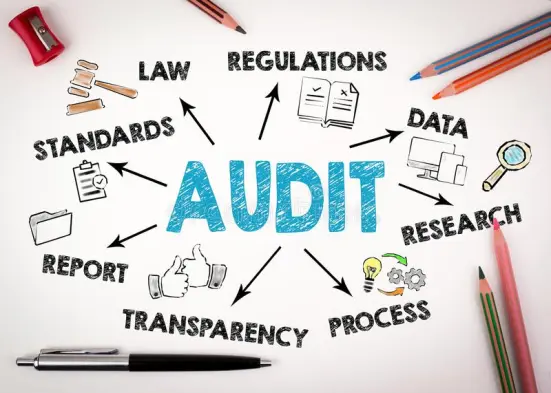
This course provides advanced knowledge and practical skills in Information Systems (IS) Auditing. Students examine IT audit principles, audit processes, technological innovation audits, comparative innovation assessments, and information security audits. Emphasis is placed on risk- based auditing, governance, control evaluation, and strategic assessment of IT environments.

This course introduces learners to the concepts, design, implementation, and application of collaborative technologies in the global community. Students explore different types of collaborative tools and platforms used to support communication, teamwork, knowledge sharing, and virtual communities. The course also provides foundational practical skills in planning, installing, configuring, and managing collaborative systems such as Microsoft SharePoint and cloud-based collaboration tools. By the end of the course, learners will understand both the theoretical foundations and basic practical implementation of collaborative environments.

This course provides a foundation in Content Management Systems (CMS) and how they are used to design, manage, and publish websites. We will explore and compare WordPress, Joomla, and Drupal, and complete a practical project by developing an E-commerce website using WordPress and WooCommerce.

In case you have questions related to the lecture material provided in this course, that you want me to answer, please post them in this forum.

Also, if you encounter technical difficulties while working on your coursework, please post your issues here, so that I can try to resolve them.

❗If it is a personal question, please send me an email or use the private chat feature in this platform. DO NOT post personal information in this forum!

This course introduces you to strategies, processes, personnel roles, and digital practices used to manage Information Systems (IS) within modern enterprises, with emphasis on e-business and e- commerce environments.

The purpose is to equip you with foundational knowledge and practical understanding of managing Information Systems in organisations within a short, focused timeframe.

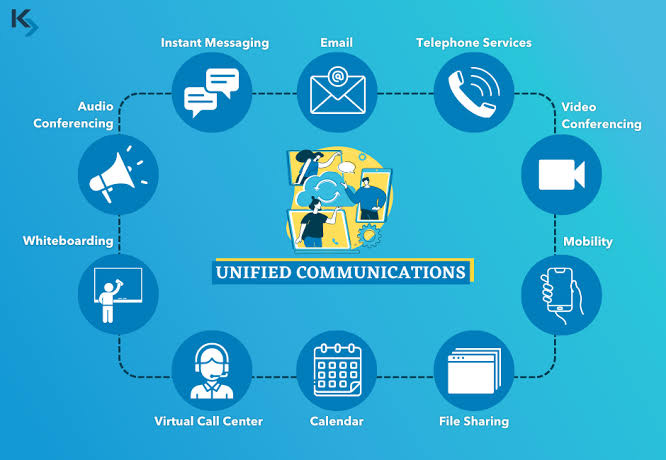
This course is designed to provide you with a thorough understanding of enterprise communications systems and the supporting networks.

This course is designed to equip you with the requisite knowledge and skills necessary to conduct a successful IT Audit. 

This course provides a broad understanding of Information Systems (IS), seen within organisational and societal contexts. The aim is to provide students with an appropriate balance of technical and organisational perspectives to serve as the basis for any further study in the field. Upon completion of this course, the student will be able to:

  • Express a logical understanding of what an Information System is, and how the components of an Information System synergise.

  • Describe and differentiate the functions and features of various types of (mainstream) Information Systems: Decision Support System; Expert System, Artificial Intelligence System; Knowledge Based System; Financial Information System; Executive Support System; and Manufacturing Information System.

  • Explain the significance (importance) of using various types of information systems.